Understanding Menopause and the Role of Body Weight
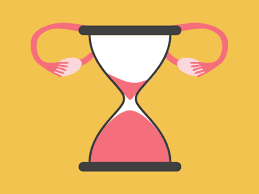
Every girl is born with all the eggs she will ever have, about one to two million at birth. By the time she reaches puberty, only around 300,000 remain. Each month during her reproductive years, a small number of these eggs mature, but most never release.
As a woman grows older, both the number and quality of her eggs decline. By her mid-40s, very few healthy eggs remain, and the ovaries produce far less of the hormones estrogen and progesterone, which regulate the menstrual cycle and protect many body systems.
When the ovaries stop releasing eggs completely, menopause begins. It is a natural biological milestone, not a disease, marking the end of fertility. Most women experience it between ages 45 and 55, though timing varies depending on genetics, health, and lifestyle.
What Happens During Menopause
The drop in estrogen affects many parts of the body, which is why menopause can feel different for every woman. Common symptoms include: Hot flashes or night sweats, Irregular or skipped periods before they stop, Mood swings, anxiety, or low mood, Increased likelihood of weight gain, especially around the tummy, Sleep problems and fatigue, Joint pain or stiffness, Vaginal dryness and reduced libido.
Some women experience few symptoms, while others face months or years of noticeable changes. All are part of the body adjusting to a new hormonal rhythm.
How Obesity Affects Menopause
1. Obesity and Early Menstrual Start (Menarche)
Girls with higher body fat often begin their periods earlier than their peers.
This happens because fat tissue is not just storage; it is hormonally active.
Fat cells produce leptin, a hormone that signals to the brain that the body has enough energy to reproduce. They also contain an enzyme called aromatase, which converts other hormones into estrogen.
When the brain senses these hormones early, it triggers puberty sooner. As a result, girls with higher body fat tend to experience earlier menarche, sometimes up to a year earlier than average.
Why it matters:
Earlier periods mean a longer lifetime exposure to estrogen, which slightly increases the risk of hormone-related conditions such as breast and endometrial cancer later in life.
2. Obesity and Timing of Menopause
Obesity can also influence when menopause occurs, often delaying it slightly.
After the ovaries begin to slow down, fat tissue continues to produce small amounts of estrogen through aromatase. This additional estrogen can “trick” the body into thinking it still has enough hormone, pushing menopause a year or two later.
However, the estrogen from fat tissue is weak and unbalanced. It does not function like the well-regulated estrogen produced by the ovaries. This can lead to: Prolonged or irregular bleeding before menopause, Breast tenderness or fluid retention and Higher risk of endometrial thickening.
So while menopause may come later, the transition (perimenopause) often lasts longer and symptoms can be more unpredictable.
3. Obesity and Menopausal Symptoms
Carrying extra body fat can intensify several menopausal symptoms once estrogen levels begin to fall.
🔥 Hot Flashes and Night Sweats
Fat tissue traps heat, making it harder for the body to cool down. It also releases inflammatory chemicals that interfere with the brain’s temperature control center, leading to more frequent and severe hot flashes.
😔 Mood, Sleep, and Fatigue
Extra weight increases the risk of sleep apnea and poor sleep quality. Chronic inflammation and fluctuating hormones can also affect neurotransmitters that regulate mood, making anxiety, irritability, and tiredness more common.
💪 Joint and Muscle Pain
Extra weight adds strain to joints and muscles. At the same time, lower estrogen levels reduce the body’s natural anti-inflammatory protection, so aches and stiffness can become more noticeable.
To improve joint health, increase intake of Calcium and Vitamin C. Calcium is found in foods like milk, yogurt, cheese, mukene (silver fish), sardines with bones, beans, soy products like tofu, sesame and simsim paste, as well as leafy greens such as amaranth (dodo) and sukuma wiki.
Vitamin C is abundant in oranges, guavas, pineapples, mangoes, papayas, lemons, tomatoes, and vegetables like cabbage and green peppers. If your diet does not meet these needs, you may need to take a calcium or vitamin C supplement under professional guidance.
❤️ Heart and Metabolic Health
After menopause, women naturally face a higher risk of high blood pressure, cholesterol, and blood sugar issues. Obesity compounds these risks and increases the likelihood of heart disease, which becomes the leading health concern for women after midlife.
Healthy Weight, Healthier Menopause
The encouraging news is that lifestyle changes can make a real difference. Even a 5–10% weight reduction can ease symptoms, improve sleep, and reduce long-term health risks.
- What Helps:
- 1. Eat more fiber: Vegetables, fruits, whole grains, beans, and nuts help balance hormones, support digestion, and steady blood sugar.
2. Include phytoestrogens (natural plant estrogens). Found in soybeans, tofu, chickpeas, lentils, and flaxseeds, these compounds gently mimic estrogen and may reduce hot flashes.
3. Stay active. Aim for at least 150 minutes of moderate activity per week, such as walking, swimming, dancing, or cycling.
Add strength training twice weekly to protect bone and muscle strength.
4. Choose lean proteins. Include fish, eggs, beans, or low-fat dairy to maintain muscle and metabolism.
5. Limit sugary and fried foods. These raise inflammation and can make symptoms feel more intense.
6. Hydrate and manage stress. Water, herbal teas, mindfulness, and deep breathing help regulate body temperature and mood.
In Summary
Menopause is a natural part of every woman’s journey, the body’s transition after a lifetime of hormonal cycles.
Because we are born with a fixed number of eggs that gradually decline, menopause eventually comes to everyone.
Yet body weight plays a major role in how and when it happens.
Obesity can increase the likelihood of early periods. It can slightly delay menopause. It can make symptoms like hot flashes, fatigue, and mood changes more intense.
Maintaining a healthy weight through balanced eating, regular movement, and self-care supports a smoother transition and protects long-term heart, bone, and emotional health. You can access a Personal Dietitian through Lya Dietitian App or call +256784200201.
“You cannot stop menopause, but you can shape how your body experiences it through how you eat, move, and care for yourself.”
Regina Nantege, Founder Lya Dietitian App
Comments
test
Apr 24, 2026 10:13 AMtest'
Apr 24, 2026 10:13 AMtest
Apr 24, 2026 10:13 AMtest'
Apr 24, 2026 10:07 AMtest
Apr 24, 2026 10:07 AMtest
Apr 24, 2026 10:07 AMDownload Lya app