Detox for Weight Loss: What Really Works
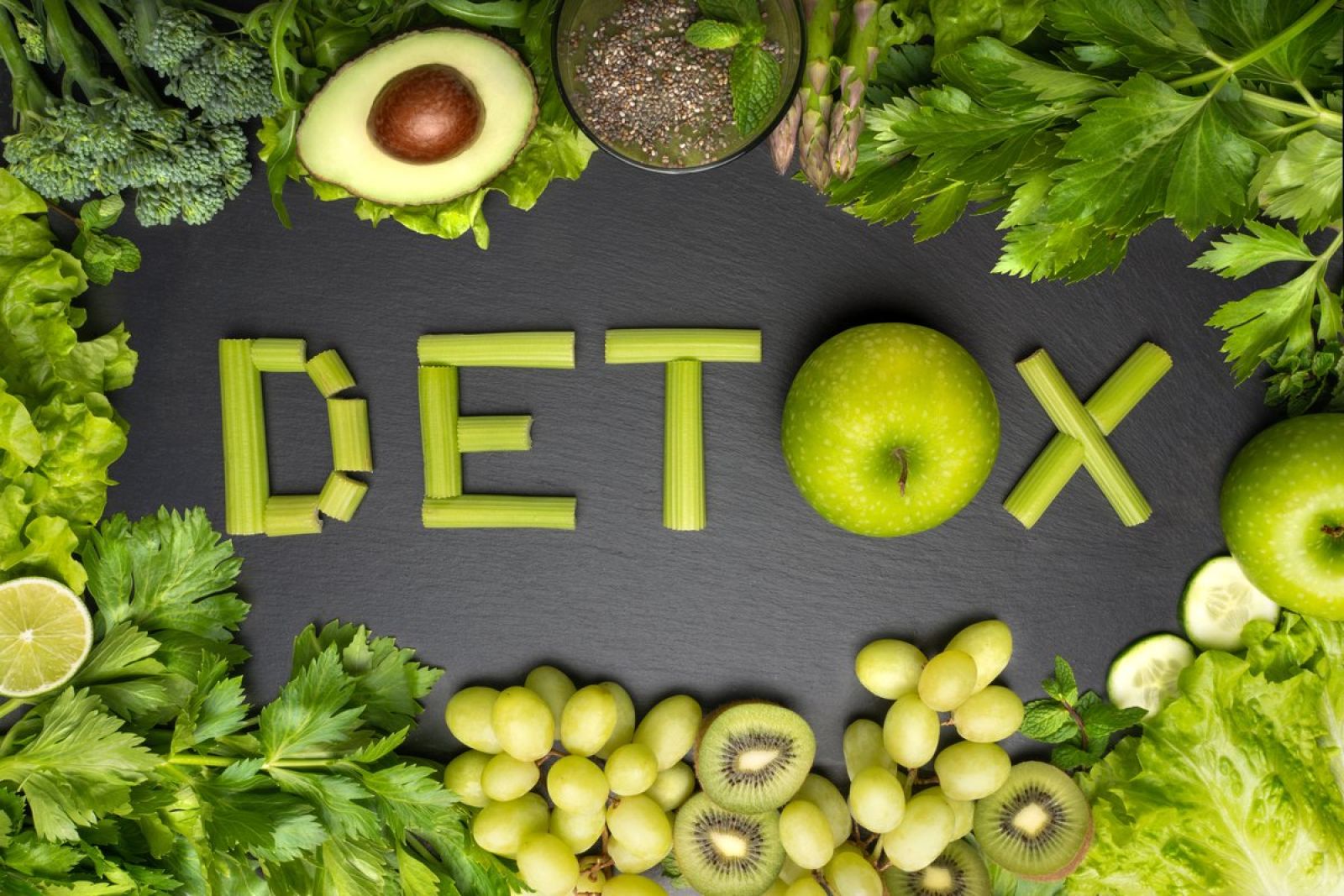
Detox and Weight Loss: Myth vs. Reality
Writer: Dietitian Patrick Sentongo
Detox — a word that traces back to the Latin toxicum (meaning poison) and the prefix de- (expressing removal) — gained popularity in the early 20th century. In recent years, especially after 2019, searches for “detox” have skyrocketed, often linked to diet trends promising rapid fat loss and “cleansing” the body.
But here’s the question: Can you really detoxify fat out of your body?
The Detox Hype
Formulations in teas, juices, or supplements are marketed as tools to “flush out toxins” and accelerate weight loss. Yet the reality is simpler and more scientific:
Your liver, kidneys, lungs, and skin already detoxify naturally. No external product can outperform these organs in removing waste from the body.
Detoxification and Weight Loss: The Interaction
Most detox programs lead to calorie restriction, which explains the short-term weight loss people often report. For example:
- Juicing fruits and vegetables provides fiber but lacks protein. It can soften stools, cause frequent watery bowel movements, and even dehydration. The weight lost is usually water and muscle mass, not fat.
This makes detox diets misleading — they don’t burn fat; they simply reduce calories temporarily.
Common Detox Methods: Claims vs. Reality
| Detox Method | Claimed Benefit | The True Effect |
| Juice cleanses | Rapid fat loss, toxin removal | Short-term calorie deficit → water/muscle loss; lacks protein |
| Herbal teas (“teatox”) | Boost metabolism, cleanse | Mild diuretic/laxative effect → dehydration, not fat loss |
| Whole food detox diets | Reset digestion, improve energy | Can be healthy if focused on fruits, vegetables, fiber, hydration |
| Intermittent fasting is sometimes marketed as detox | Rest digestive system, burn fat | Evidence supports fat loss because of calorie deficit, but not a “detox” |

🚨 Risks & Limitations
- Nutrient deficiencies: Restrictive detoxes lack protein, healthy fats, and essential micronutrients. This leads to deprivation of the body.
- Temporary results: Weight often rebounds once normal eating resumes.
- Digestive stress: Laxative teas can cause dehydration, electrolyte imbalance, and dependency.
- False promises: “Toxin removal” is not scientifically measurable, despite marketing claims.
✅ Sustainable Alternatives
Instead of chasing detox fads, focus on lifestyle habits that support your body’s natural detox systems:
💧 Hydration
- Water supports kidney function, digestion, and metabolism.
- Aim for steady intake throughout the day. Herbal teas or infused water (lemon, cucumber, mint) add variety without sugar.
- Remember: alcohol is not hydration.
🥦 🍋 Fibre & Antioxidant-Rich Foods
- Fibre binds waste in the gut and promotes regular elimination.
- High-fibre foods (vegetables, fruits, legumes, whole grains) increase satiety and stabilize blood sugar.
- Fruits and vegetables rich in antioxidants (berries, citrus, leafy greens) support liver function and reduce oxidative stress.
- Vegetables are nutrient-dense but low in calories, helping create a sustainable calorie deficit.
🏃 Movement & Sweat
- Builds lean muscle, raises metabolism, and supports long-term fat loss.
- Exercise boosts circulation, lymphatic flow, and sweating — aiding natural elimination pathways.
😴 Sleep & Stress Management
- Sleep regulates hormones like cortisol and leptin, which control appetite and fat storage.
- Chronic stress impairs digestion and liver function, undermining “detox” efforts.
🧭 In Summary: Detoxification for weight loss is not scientifically valid. Most detox diets deliver short-term results by restricting protein and causing water loss.
If your goal is lasting fat loss, prioritize these 5 Habits:
- 1. Daily Hydration; 2+ liters of fluids for adults support the natural detoxification by maintaining kidney filtration and urine output, which allows metabolic waste products to be efficiently excreted from the body.
- 2. Healthy plate technique (lean proteins, healthy fats, complex carbs, and Fiber-rich whole foods); A balanced diet is ½ plate vegetables, ¼ plate protein foods and ¼ plate starchy foods. The vegetables provide fiber. Fiber is like a soft broom in your tummy. It sweeps food waste along, helps you poop easily, and carries unwanted leftovers out of the body instead of letting them stay too long. The moderation of carbohydrate supports fat-loss and the protein portion preserves muscle mass.
- 3. Thirty minutes of daily exercise.
- 4. Sleep; 7-8 hours uninterrupted
- 5. Stress management
Your body already has powerful detox systems. Support the liver and kidney systems with sustainable habits — not expensive teas or cleanses.
Writer Profile:

Patrick is a clinical nutritionist and dietitian delivering evidence-based nutrition care across the lifespan at Mukono General Hospital and Impact Nutrition Company, Uganda.
He designs practical nutrition plans, works side by side with multidisciplinary health teams, and helps patients and colleagues translate nutrition advice into daily habits that improve health outcomes.
You can consult Patrick for Weightloss and Diabetes management via the Lya Dietitian App available on your app store.
If seeking management of undernutrition common in children, visit the Nutrition Unit and Mukono General Hospital.
📚 References
- Harvard T.H. Chan School of Public Health. (2022). The nutrition source: Antioxidants. Retrieved from https://www.hsph.harvard.edu/nutritionsource/antioxidants/ (hsph.harvard.edu in Bing)
- Klein, A. V., & Kiat, H. (2015). Detox diets for toxin elimination and weight management: A critical review of the evidence. Journal of Human Nutrition and Dietetics, 28(6), 675–686.
- National Center for Complementary and Integrative Health (NCCIH). (2021). Detoxes and cleanses: What you need to know. Retrieved from https://www.nccih.nih.gov/health/detoxes-and-cleanses (nccih.nih.gov in Bing)
- Patterson, R. E., & Sears, D. D. (2017). Metabolic effects of intermittent fasting. Annual Review of Nutrition, 37, 371–393.
Comments
Thank you for sharing this information. Am sure you have helped many. Blessings
Feb 01, 2026 07:48 AMYour body already detoxes via the liver and kidneys. “Detox” diets cause short-term weight loss by cutting calories, not by removing toxins. Real fat loss comes from balanced meals, fiber, water, movement, sleep.
Jan 28, 2026 12:39 PMDownload Lya app